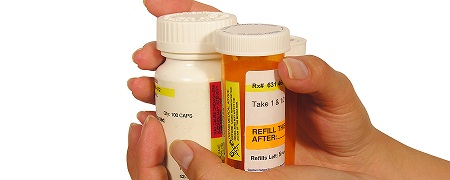
Brand Names: Adderall®, Adderall XR®
Generic Name: amphetamine (am-FET-uh-meen) with dextroamphetamine (dex-trow-am-FET-uh-meen)
Manufacturer: Shire Pharmaceuticals
Adderall® for Adults
Adderall® is a medication that must be prescribed by a doctor and is the brand name for a combination of amphetamine salts that function as central nervous system (CNS) stimulants, and have been FDA approved for the treatment of both childhood and adult attention deficit hyperactivity disorder (ADHD) as well as narcolepsy in adults.
Adderall® is now available in generic versions. Generic Adderall® is offered by Ranbaxy, Sandoz, and Teva Pharmaceutical.
What Is Adderall XR®?
Adderall® is now available in an extended release version that lasts for 24 hours, called Adderall XR® (an abbreviation for eXtended Release). Adderall XR® is an extended-release version of the drug that only needs to be taken once daily and is only indicated for childhood and adult ADHD, not narcolepsy. The XR formulation is still patented, meaning that it will not be available in generic form until at least 2019.
How Adderall® Works
Although it is not known exactly how Adderall® works, it is believed to increase the flow of the neurotransmitters dopamine and norepinephrine, chemicals that carry the signal between neurons (cells of the nervous system). This can result in an increase in a person’s ability to focus over extended periods of time.
Adderall® and Adderall XR® Dose
Adderall® is an oral mediation available in capsule form. The individual dosages for both Adderall® and Adderall XR® range from 5 – 30 milligrams (mg).
Time for Adderall® to take Effect
Although the time required for Adderall® to take effect may be different for each individual, instant-release drugs in this class generally take 1 – 3 hours. The amount of instant release Adderall® in the bloodstream peaks at about 3 hours. Adderall XR® lasts 24 hours, with the dose peaking about 8 hours after it is taken.
Is Adderall® and Adderall XR® Effective for Adult ADHD?
Adderall® has been used to treat ADHD in both children and adults for many years. In 2004, the Harvard investigators involved in analysis of Adderall XR® Phase III trials in adults concluded that the drug significantly improved subjects’ ability to maintain focus, concentrate, and pay attention for longer periods of time [1].
What is the Effect of Adderall® for Adult ADHD on Sports Performance?
Stimulants used in Adderall® have been shown to improve sports performance, particularly maximum heart rates and time to exhaustion during exercise.
Adderall® and Adderall XR® Minor Side Effects
Adderall® and Aderall XR® are generally considered safe and effective for adults. Common side effects are similar to those typically associated with the use of stimulants, and include:
· Dry mouth
· Loss of appetite
· Difficulty falling asleep
· Weight loss
Adderall® and Adderall XR® Precautions
Addiction & Abuse
Studies have been done to address concern that use of stimulant medications may lead to later drug dependency and abuse. Although untreated adult ADHD has been linked to an increased risk of substance abuse later in life [2], the likelihood of future drug abuse disorder is actually decreased when adult ADHD is properly treated [3].
Still, because Adderall® and Aderall XR® are amphetamines and stimulants, there is the potential for abuse. So this medication is not recommended for people who have a history of drug abuse.
Cardiac Precautions
Adderall® and other amphetamines may not be right for you if you have a history of heart problems, such as hardened arteries (arteriosclerosis), heart disease, high blood pressure (hypertension), or any other pre-existing cardiac condition.
Other Precautions
The drug is also not recommended for people with overactive thyroid, glaucoma, epilepsy and seizure disorders, severe anxiety or agitation and those who have taken MAO inhibitors within the past two weeks. Before taking Adderall® or Aderall XR®, be sure to tell your doctor if you have any of these problems.
Pregnancy Category C
Like all other adult ADHD medications, Adderall® and Aderall XR® are considered “category C” medications, which means that although no human studies have been done, based on animal studies it is thought that they may be harmful to an unborn baby.
This drug can also pass into breast milk and may be harmful to your baby if you nurse. Be sure to tell your doctor if you are pregnant or plan to become pregnant while you are being treated for adult ADHD.
Total Treatment of Adult Attention Hyperactivity Disorder
Adderall®, Aderall XR®, or any medication used to treat Adult ADHD, should be used as a part of a total treatment program. Comprehensive treatment of the adult ADHD often includes education, support groups, regular doctor appointments and therapy or counseling.
Adderall Withdrawal
If you stop taking Adderall, you may well end up with withdrawal symptoms. Symptoms are worse the longer you have been taking Adderall and the higher the dose you were taking. The main withdrawal symptom is extreme fatigue. Other withdrawal symptoms include negative mood, ranging from lack of motivation to depression. Symptoms can last from a few days to a few months.
Adderall Shortages
There is currently a shortage of Adderall in the United States. Adderall has been added to the official FDA drug shortages list. Many people with adult ADHD have, unfortunately, shown up at their local pharmacy to find that the pharmacy is out of stock. The reason for the shortage is that the DEA sets quotas for how much of various drug ingredients can be manufactured each year. As a result, not enough has been produced to meet the growing demand for Adderall.
Anecdotally, we have heard that pharmacies in ethnic neighborhoods are more likely to have Adderall in stock, in case you are having trouble finding it near you.
Share Your Experiences!
What have your experiences with Adderall been? Let us know about any successes or problems you’ve had taking Adderall for adult ADHD in the comments.
Sources
1. Biederman, J, M.D. (2004) Long-Term Safety and Efficacy of Mixed Amphetamine Salts Extended-Release for Adult ADHD. APA Presentation # 106
2. Richardson. (2005) When Too Much Isn’t Enough, Ending The Destructive Cycle of AD/HD and Addictive Behavior, Pinon Press
3. Wilens, et al. (2003) Does Stimulant Therapy of Attention-Deficit/Hyperactivity Disorder Beget Later Substance Abuse? A Meta-analytic Review of the Literature, Pediatrics Vol. 111 (1).
4. Shire US Inc., Prescribing Information sheet for Adderall XR.
My Dr just prescribed me adderal 20 mg 2xs a day. I have always known I have ADHD I was diagnosed when I was younger. I was medicated as a child but not as an adult. Recently I decided to go back to school I was having issues focusing I tried to read my text books and study but I was having issues focusing aND I found myself rereading passages because I wasn’t able to retain information. It was very frustrating. I’m hoping that when I go back to school next week I will be able to focus on my studies
Adderall is a combination drug that contains a mixture of amphetamine and dextroamphetamine. The chemical class act as stimulants amphetamine central nervous system (also known as psycho-stimulant name). These chemicals affect the brain to give more power and control behavior. Adderall is the most effective remedy deficit disorder disorder attention deficit hyperactivity disorder (ADHD) and a sleep disorder called narcolepsy drug. Adderall has the following advantages: Improve your concentration. Adderall is a drug that increases concentration, increases attention span of a person. Take Adderall can help you stay focused and alert. More mental clarity. People with ADHD are often confused with seemingly normal day to day activities. This leads to nervousness and anxiety. Taking Adderall might be more clear.
Where can I find an “ethnic” neighborhood in Austin, Texas. I really didn’t know what I was looking for but I need my medicine.
Instructions before using Adderall
Before deciding whether to use Adderall, you should consult your doctor about the risks of taking the drug. For proper use of Adderall, the following addresses should be considered:
I am a 79-year-old lady. My FIBROMYALGIA disease appeared at the age of 74, with no hope of a cure from the hospital i looked further for an alternative treatments, a friend of mine told me about Health Herbal Clinic in Johannesburg South Africa who sell herbal treatments for diseases including FIBROMYALGIA disease, I contacted the herbal clinic via their website and purchased the fibromyalgia herbal remedy. I received the herbal remedy through DHL couriers within 8 days and i immediately commenced usage as prescribed, i used the herbal remedy for about a month and 1 week, my condition has greatly improved, all my symptoms including Chronic muscle pain, Abdominal pain, nausea, I am fibromyalgia free! contact Health Herbal Clinic via their email healthherbalclinic AT gmail DOT com or visit www DOT healthherbalclinic DOT weebly DOT com PLS fibromyalgia is not a death sentence, there is a cure!
I am a 79-year-old lady. My FIBROMYALGIA disease appeared at the age of 74, with no hope of a cure from the hospital i looked further for an alternative treatments, a friend of mine told me about Health Herbal Clinic in Johannesburg South Africa who sell herbal treatments for diseases including FIBROMYALGIA disease, I contacted the herbal clinic via their website and purchased the fibromyalgia herbal remedy. I received the herbal remedy through DHL couriers within 8 days and i immediately commenced usage as prescribed, i used the herbal remedy for about a month and 1 week, my condition has greatly improved, all my symptoms including Chronic muscle pain, Abdominal pain, nausea, I am fibromyalgia free! contact Health Herbal Clinic via their email healthherbalclinic @ gmail . com or visit www . healthherbalclinic . weebly . com.. PLS fibromyalgia is not a death sentence, there is a cure!